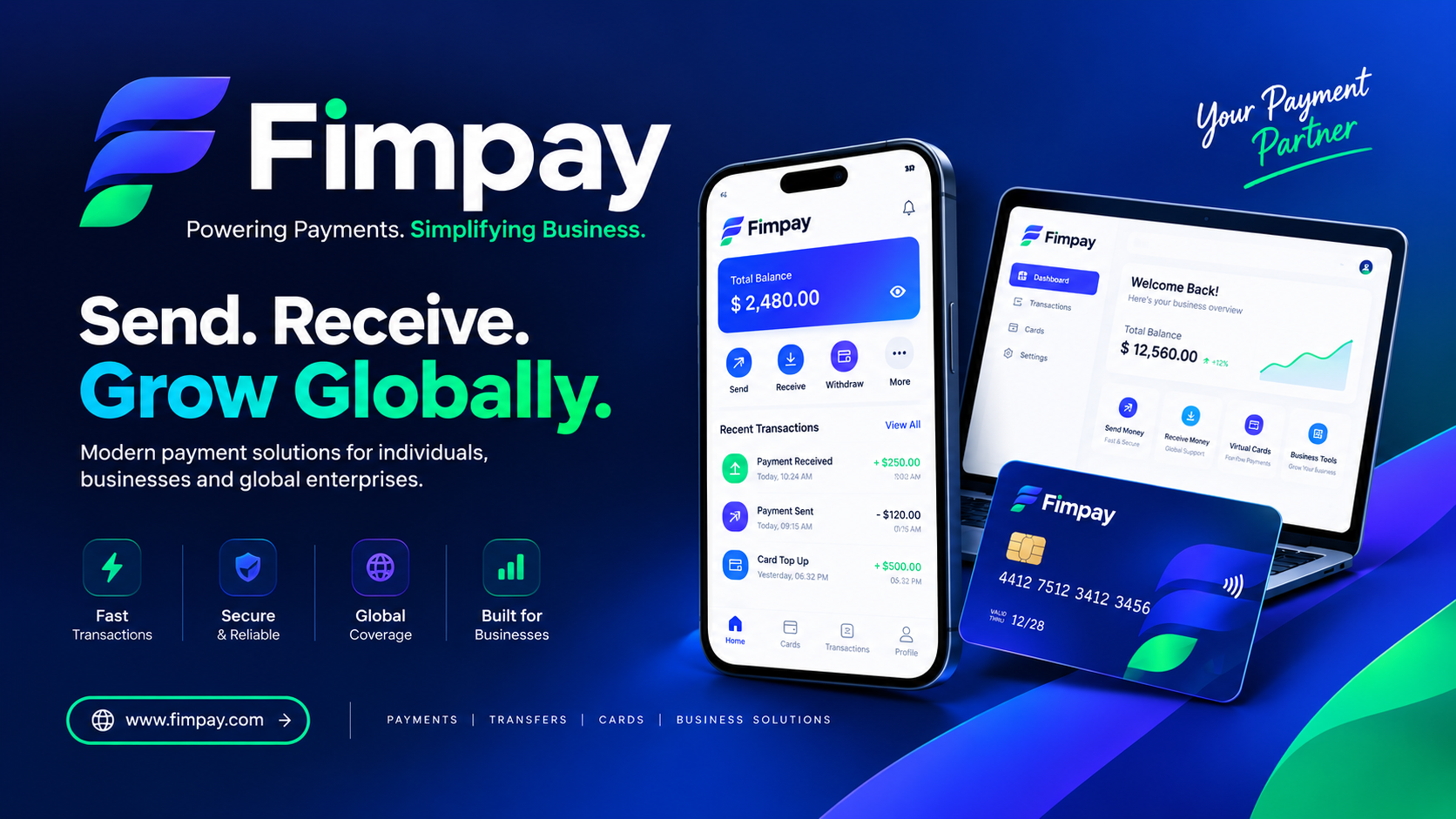
In the modern digital economy, mastering How to Manage Multiple Payment Providers is essential for Nigerian enterprises, fintech founders, and merchant finance teams looking to scale collections, eliminate manual bottlenecks, and maintain audit-proof reconciliations.
Introduction: Why How to Manage Multiple Payment Providers Matters in Nigeria
Managing payment flows in Nigeria requires specialized infrastructure designed for high transaction volumes, multi-bank network resilience, and automated verification. Businesses that rely on manual ledgering or legacy paper-based workflows frequently face reconciliation discrepancies, delayed settlements, and unnecessary customer friction.
Core Architecture and Operational Principles
To successfully execute How to Manage Multiple Payment Providers, businesses need a unified payment stack that addresses three foundational pillars:
- Real-Time Transaction Telemetry: Instant webhook notifications that confirm incoming customer payments within sub-seconds across commercial and microfinance banks (MFBs).
- Automated Ledger Reconciliation: Direct matching of order reference IDs against bank settlement batches, ensuring every kobo is accounted for without manual bank statement reviews.
- Multi-Channel Redundancy: Dynamic routing across primary and secondary payment rails (Paystack, Wema, VFD, Squad, Flutterwave) to maintain 99.9% processing uptime during upstream network downtimes.
Step-by-Step Implementation Framework
Follow this structured framework to implement these principles effectively within your organization:
- Audit Existing Payment Bottlenecks: Identify drop-offs in your checkout funnel, manual invoicing delays, or recurring billing churn points.
- Deploy Automated Payment Links and Virtual Accounts: Assign dedicated virtual bank accounts or instant payment links that allow customers to pay via Bank Transfer, USSD, or Debit Cards.
- Integrate Webhook Listener Infrastructure: Build idempotent webhook endpoints to ingest transaction events securely with cryptographic SHA-512 signatures.
- Establish Daily Settlement Reconciliation: Connect your accounting software or internal ERP to automated settlement feeds for end-of-day financial close.
Comparative Analysis: Manual vs. Automated Systems
| Operational Dimension | Legacy / Manual Workflow | FimPay Automated Infrastructure |
|---|---|---|
| Payment Verification Time | 15–45 minutes (manual receipt review) | < 2.5 seconds (automated webhook) |
| Reconciliation Accuracy | Prone to duplicate entry & errors | 100% automated matching by reference |
| Settlement Turnaround | T+2 to T+3 manual payouts | Instant or automated T+1 cycles |
| Scale Capacity | Limited by finance staff hours | 100,000+ daily transactions effortlessly |
Developer Quickstart & API Integration Example
Integrating automated collections into your custom web application, ERP, or mobile app requires only a few lines of code:
// Example: Initializing an Automated Collection with FimPay API
$payload = [
    'amount'        => 25000.00,
    'customer_email'=> '[email protected]',
    'customer_name' => 'Chioma Adebayo',
    'reference'     => 'TXN_' . uniqid(),
    'callback_url'  => '/checkout/callback',
    'metadata'      => ['category' => 'Merchant & Business Operations', 'channel' => 'AUTOMATED_BILLING']
];

$ch = curl_init('https://api.fimpaypoint.com/v1/checkout/initialize');
curl_setopt($ch, CURLOPT_RETURNTRANSFER, true);
curl_setopt($ch, CURLOPT_POST, true);
curl_setopt($ch, CURLOPT_POSTFIELDS, json_encode($payload));
curl_setopt($ch, CURLOPT_HTTPHEADER, [
    'Authorization: Bearer ' . $secretKey,
    'Content-Type: application/json'
]);

$response = json_decode(curl_exec($ch), true);
curl_close($ch);
Security, Compliance and Regulatory Best Practices
When implementing digital payment operations in Nigeria, institutions must maintain compliance with regulatory frameworks including the Central Bank of Nigeria (CBN) regulatory guidelines and the Nigeria Data Protection Act (NDPA). Key requirements include:
- Enforcing 256-bit TLS encryption across all public transaction endpoints.
- Storing transaction event logs and audit trails for a minimum of 7 years.
- Protecting payment authorization keys with hardware-level secret management and role-based staff permissions.
Conclusion: Scaling Your Payment Infrastructure with FimPay
By leveraging FimPay's next-generation payment engine, Nigerian businesses can simplify complex billing models, eliminate manual reconciliation headaches, and provide frictionless checkout experiences for their customers nationwide.